
NoMAD Program
NoMAD Plan: Frequently Asked Questions
Everything you need to know about autophagy, fasting and how the NoMAD Lifestyle Plan is medically supervised.
What Is Autophagy?
In essence, it is the body’s mechanism of getting rid of all the broken-down, old cell machinery when there’s no longer enough energy to sustain it. During autophagy, cells pause their usual tasks and stop dividing - instead, they work on repairing and recycling damaged components and cleaning out dead or harmful cell matter.
Fasting can be described as a process that in some way reverses the ageing process by getting rid of old cellular junk and replacing it with new parts.
%20(1).jpg&w=3840&q=75&dpl=dpl_CZNCwfo1SktNc4THbuagbGJEjczF)
Frequently Asked Questions
Your Questions, Our Answers
What makes the NoMAD Plan different from other fasting protocols?
Medical supervision, including adequate nutrition via drip, likely eliminates the risks of prolonged fasting. The NoMAD Lifestyle Plan is medically supervised and takes into account the need for micro-nutrition support - we provide maintenance of micro-nutrients, amino acids and vitamins so you can safely manage fasting and autophagy.
Will changing my diet make me feel unwell?
Changing your lifestyle and diet can have an impact on how we feel - but the NoMAD plan is medically supervised and takes into account the need for micro-nutrition support. By supporting your micronutrition, we ease this change.
Will I feel weak, fatigued or dizzy during the plan?
The plan is medically supervised and takes micro-nutrition support into account. We also provide a package of electrolytes during the plan to reduce and remove symptoms of weakness, fatigue or dizziness. We recommend beginning your plan when you have a quieter week or can prioritise relaxation, and your doctor may recommend exercise changes at the start - this is discussed during your initial consultation.
How long does the NoMAD Plan take?
This differs based on the individual and your clinician will give you more information when you receive your plan, but for most people the process takes 8 weeks. From there, we offer an ongoing plan for you to take away.
What are the benefits of autophagy fasting?
A protective role in the nervous and immune systems, protection against metabolic stress, encouraging growth of new cells (especially in the brain and heart tissue), improved hormone levels, better digestive function through repairing and restoring the gut lining, and protecting our genes by maintaining the integrity and stability of our DNA.
How much support will I have during the plan?
Due to the structure of the plan, you meet with a clinician on a weekly basis to discuss how the process is going. They provide support and answer any questions you have along the way.
What if I can’t make a scheduled drip appointment?
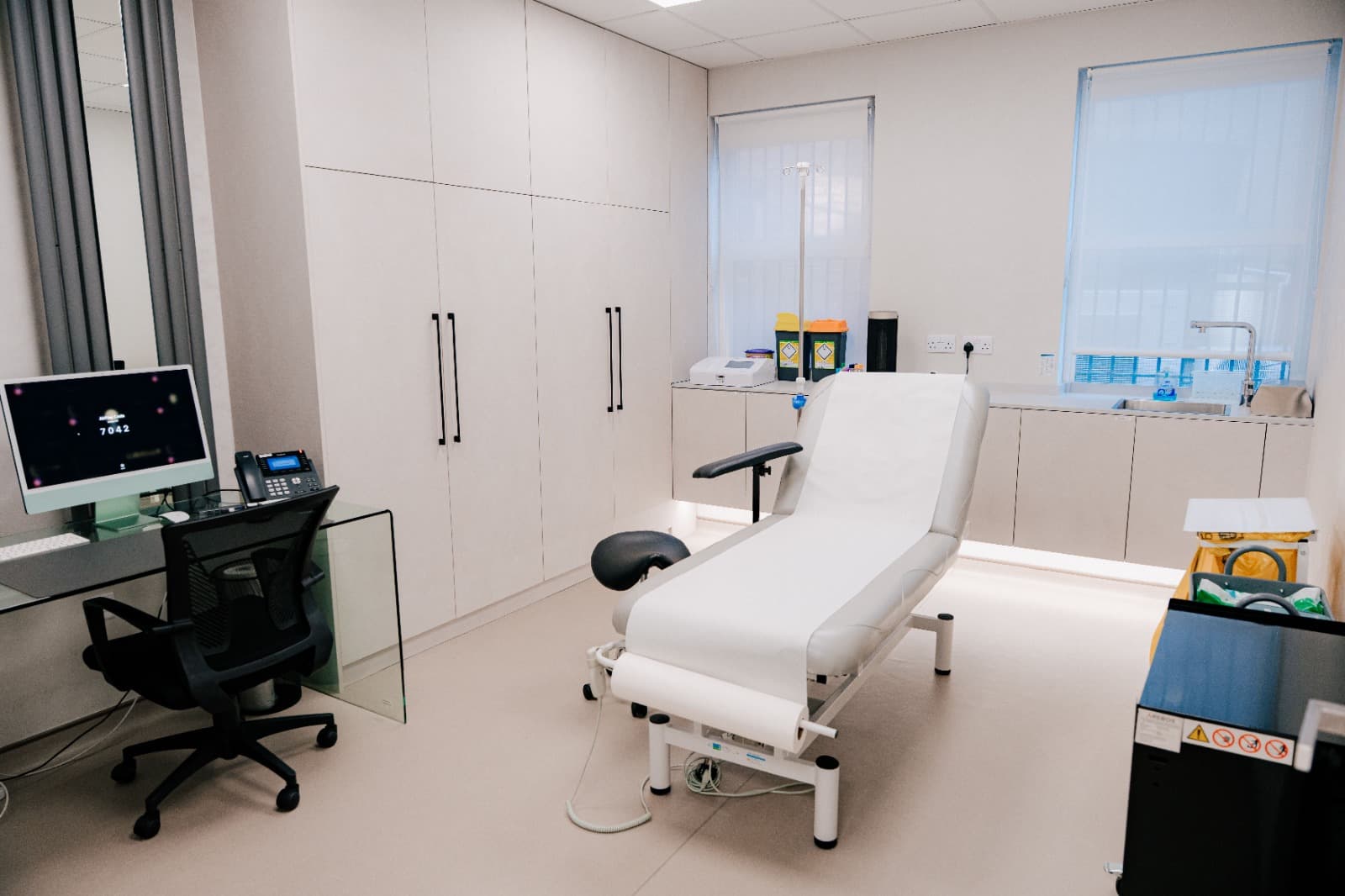
Levitas Clinic Guildford is open 7 days a week, so if you can’t make a certain day we can always work around your availability. It’s best to book your drips all in one go at the beginning, but amendments can be made if needed.
Is the plan personalised to my medical history?
Yes. The initial consultation allows clinicians to ask about your medical history and this is taken into account when creating your plan - for example, in clients with a history of gut issues, meal composition can be individualised.
What happens after the plan ends?
The thinking behind the plan is to make changes for individuals long term. During your final consultation, our nutritional therapist discusses the functional medicine model with you and creates an ongoing plan to follow from there - further consultations with our nutritional therapist can be booked.
Hear What Our Patients Have to Say
Learn More About the NoMAD Program
Read the full plan overview and see how it’s structured week by week.